About Zimbabwe
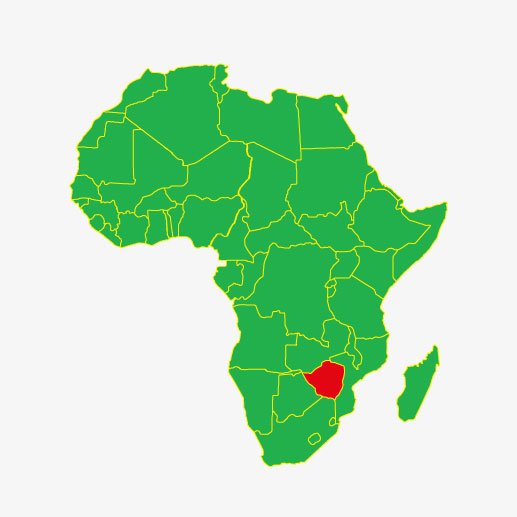
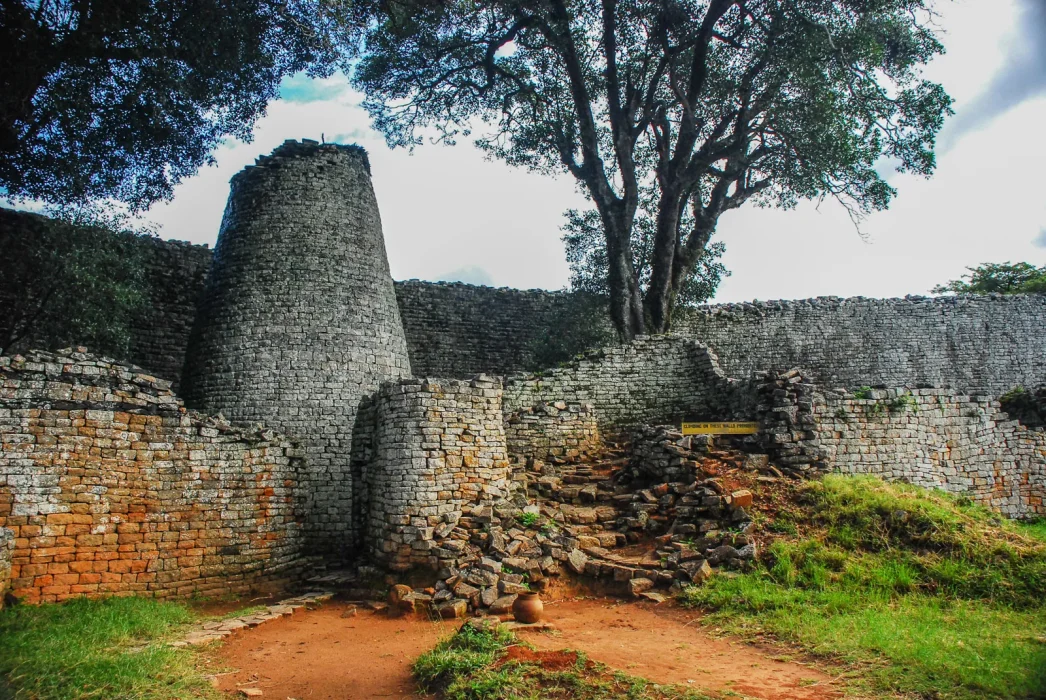
Zimbabwe is a landlocked country in the continent of Africa. It is situated in southern Africa and is bordered by five countries namely South Africa, Botswana, Zambia, Mozambique and Malawi. The name “Zimbabwe” is derived from the Shona phrase “Dzimba dzemabwe”, meaning “House of Stone”, referring to the ancient stone structures of Great Zimbabwe. The most widely spoken language is Shona followed by Ndebele. The official language is English.
History
Zimbabwe is home to the ancient city of Great Zimbabwe also known as “Dzimba dzemabwe”, a UNESCO World Heritage site, testament of the region’s rich history.
In the 19th century, the British colonized the area, naming it Rhodesia after Cecil John Rhodes. Zimbabwe was a British colony from 1895 to 1980. The colonial era had a profound impact on the country’s economy, politics, and social structures. The legacy of colonialism continues to influence Zimbabwe’s development. Upon independence in 1980, Robert Gabriel Mugabe became the president until 2017. He was succeeded by the current president Emmerson Mnangagwa.
The Zimbabwean flag
The Zimbabwean flag is a vibrant representation of the country’s history, culture, and natural resources. It has 7 colours which tell the rich history, culture and beauty of the country.
Green
Represents the country's agriculture and natural resources
Yellow/Gold
Symbolizes the rich mineral wealth
Red
Represents the blood shed during the struggle for independence
White chevron:
Symbolizes peace and the country's move towards a brighter future
Black
Represents the African heritage and majority population.
Sitting Bird
The Zimbabwe Bird, a national symbol, is centred on the flag, representing the country's history and cultural heritage.
Status
Breadbasket Status
Zimbabwe was once known as the "Breadbasket of Africa" due to its fertile land and agricultural production. However, economic among other various challenges have impacted this status.
Economy
Zimbabwe's economy has faced significant challenges, including hyperinflation, droughts, and economic sanctions which has led to massive emigration of the population to countries like South Africa, England and Australia among others for economic refuge. Key industries include agriculture, mining (diamonds, gold, platinum and recently lithium), and manufacturing.
Tourism
Zimbabwean tourism is a thrilling experience, offering a mix of stunning natural beauty,
rich history, wildlife and a vibrant culture. The country is home to some of Africa’s most
spectacular sights, including the majestic Victoria Falls.
Top Tourist Attractions

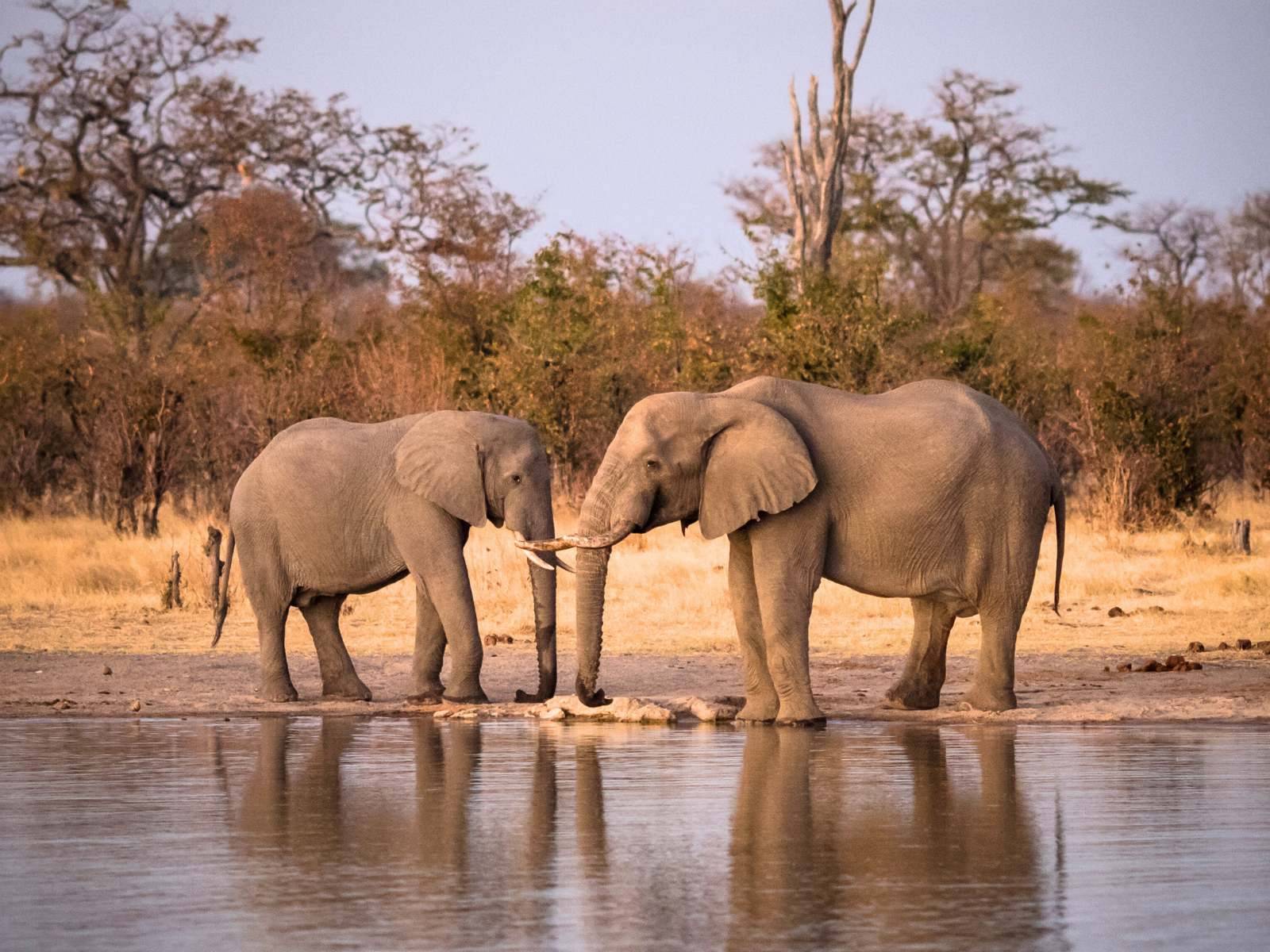
Hwange National Park
Zimbabwe's largest national park, known for its massive
elephant population and diverse wildlife.
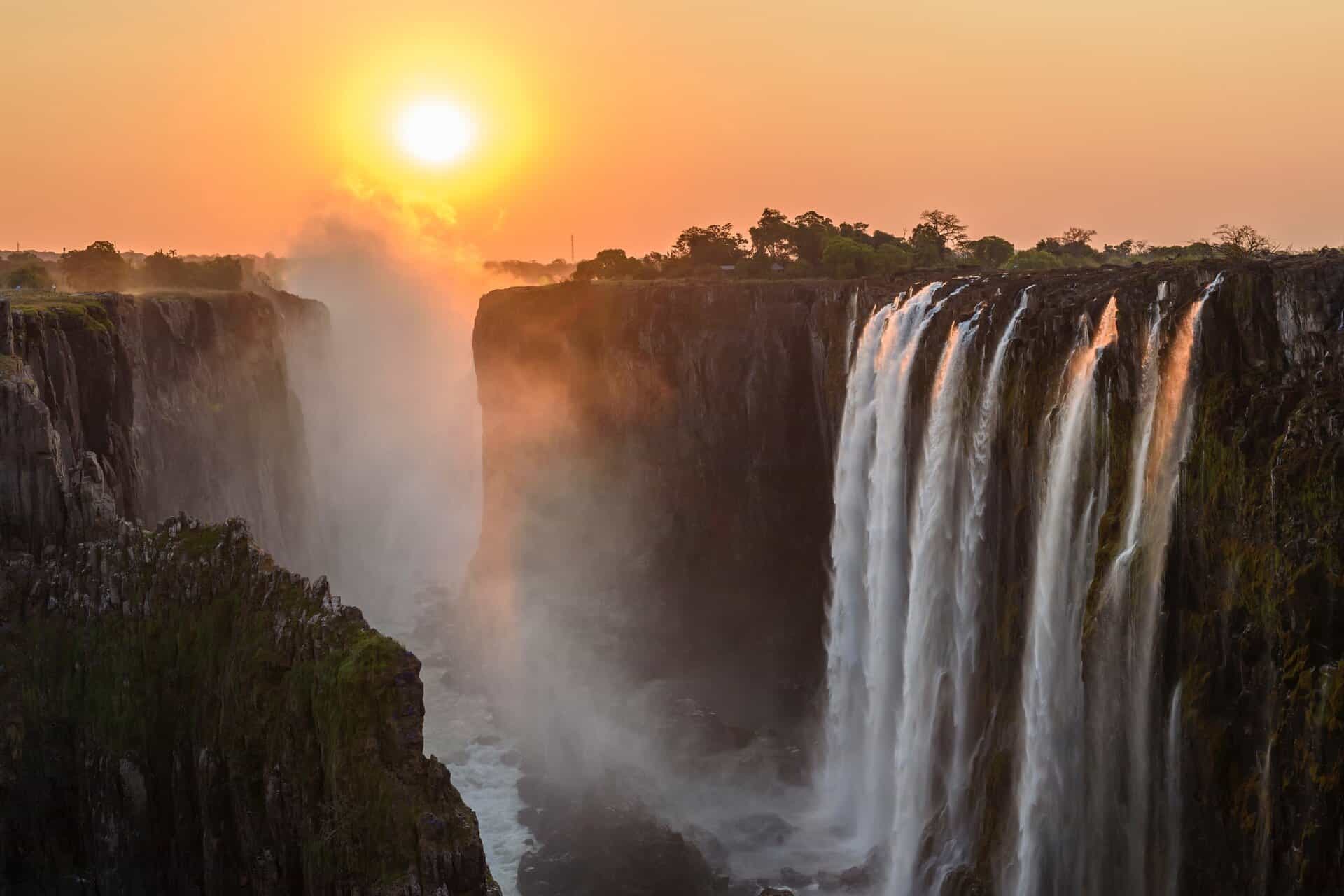
Victoria Falls
A breathtaking waterfall with opportunities for adventure activities like
bungee jumping and white-water rafting.
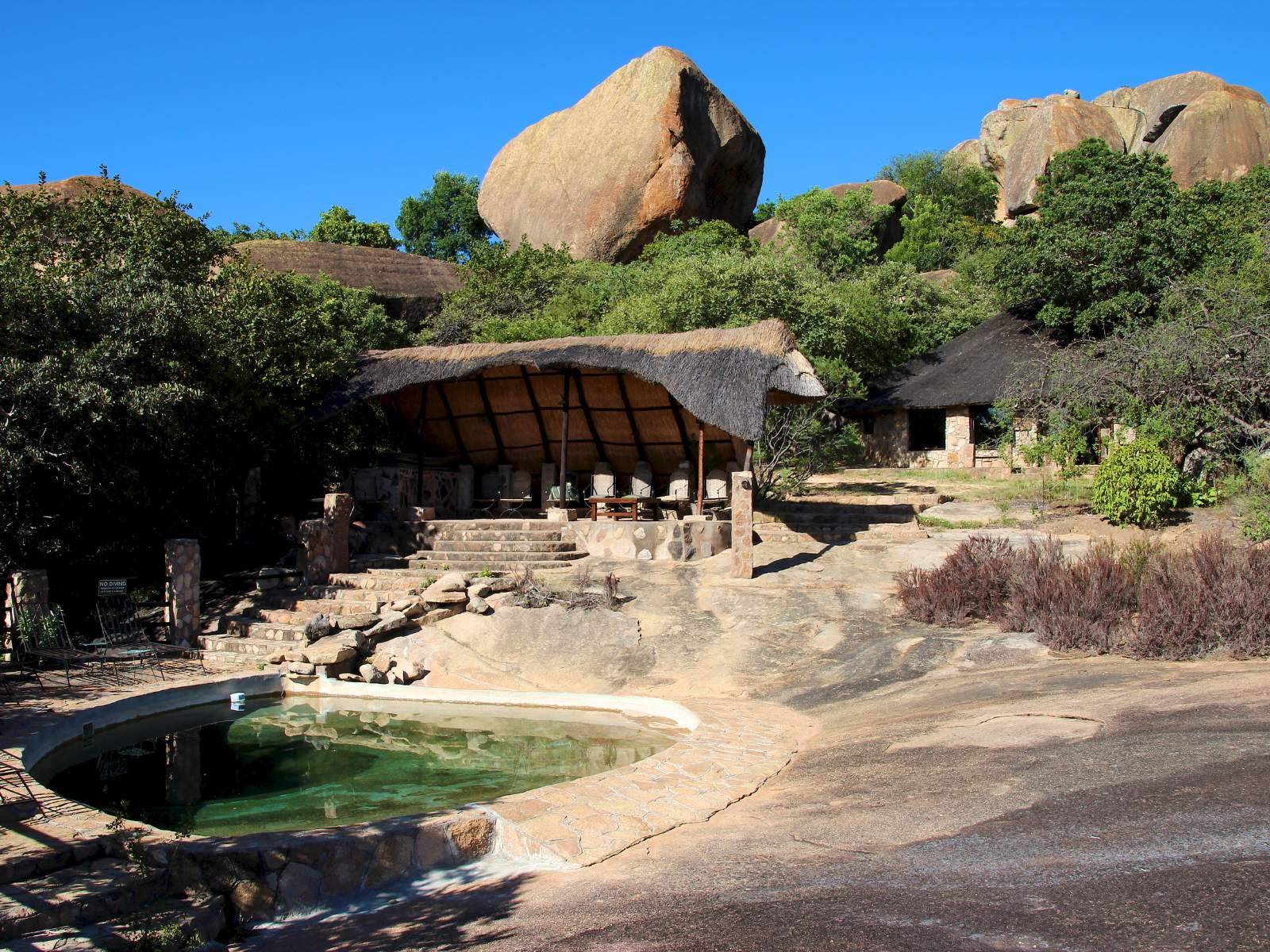
Matobo National Park
A UNESCO World Heritage Site featuring ancient rock art and
stunning granite formations.